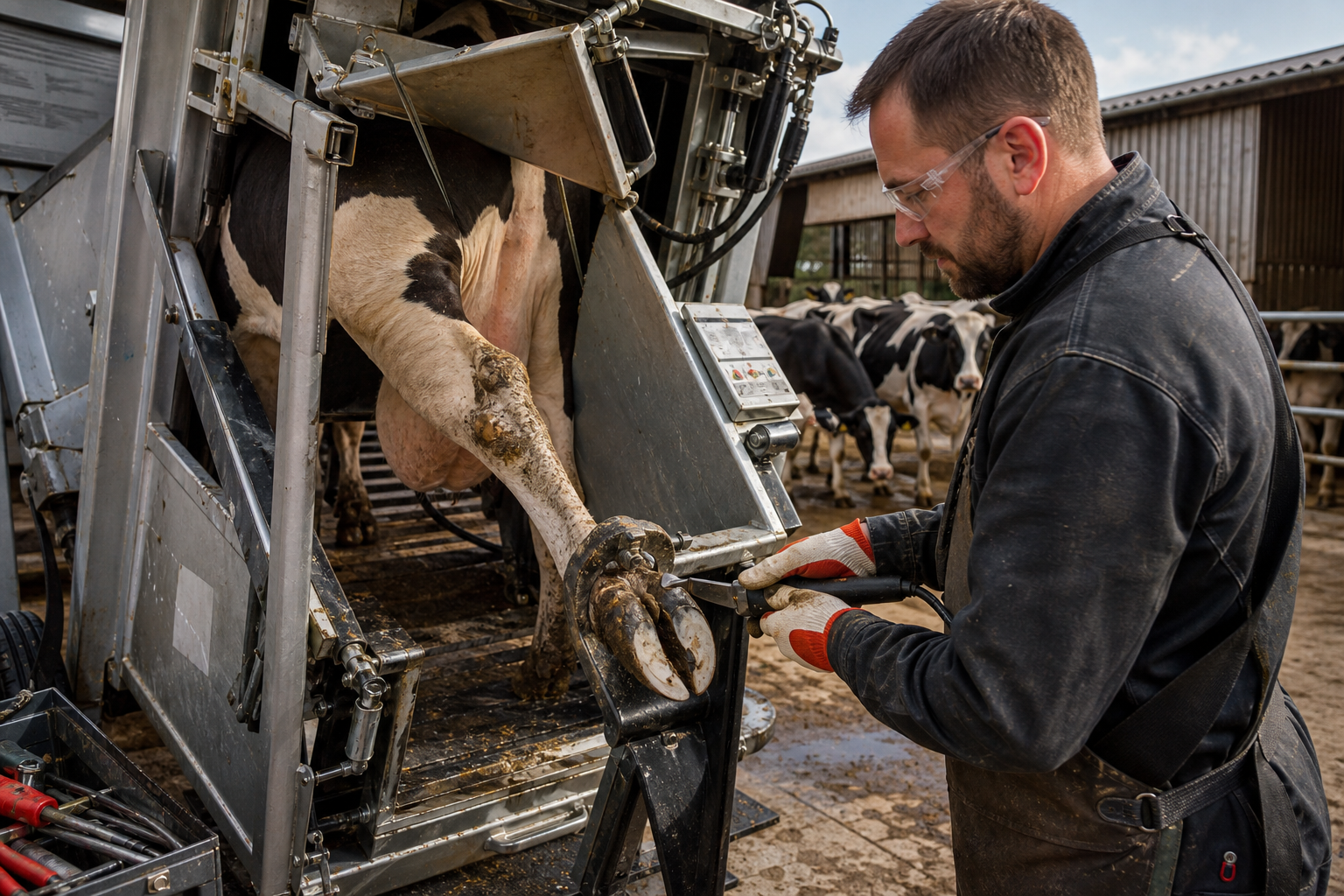
Cattle hoof trimming is an essential practice for maintaining healthy feet and ensuring overall herd welfare. Hoof problems such as foot rot, sole ulcers, and digital dermatitis can cause severe pain, lameness, and reduced productivity if left untreated. Recognising these common ailments early and applying regular trimming can help prevent their onset and manage existing conditions effectively. In this post, we’ll explore the most frequent cattle hoof problems and explain how professional trimming contributes to healthier, more comfortable animals.
Understanding Common Hoof Problems in Cattle
Foot rot is one of the most widespread infectious hoof diseases in cattle, characterised by swelling, lameness, and a foul smell due to bacterial infection. It mainly affects the interdigital skin and can rapidly worsen in wet, unhygienic conditions. Sole ulcers, on the other hand, are non-infectious lesions that develop from prolonged pressure and poor weight distribution, often linked to overgrown hooves or hard standing surfaces.
Other issues include digital dermatitis, an infectious skin disease causing painful lesions typically on the heels, and white line disease, where separation in the hoof wall may allow dirt and bacteria to enter, leading to abscess formation. Each of these conditions impairs mobility and can cause economic losses due to decreased milk yield or weight gain.
How Regular Hoof Trimming Mitigates Hoof Problems
Routine cattle hoof trimming plays a pivotal role in preventing and managing hoof disorders. Overgrown hooves alter the animal’s gait and weight distribution, increasing the risk of sole ulcers and white line disease. By trimming, the hoof shape is restored, encouraging even pressure and reducing the likelihood of painful lesions.
Moreover, trimming allows for early detection of subtle hoof abnormalities before they progress to serious problems. Professional trimmers can remove damaged or infected tissue safely, improving healing times for conditions like foot rot and digital dermatitis. Regular trimming also helps maintain proper hoof length and balance, which supports soundness and reduces lameness incidents.
Recognising When to Trim and How Often
The frequency of hoof trimming depends on various factors including breed, housing conditions, and workload. Generally, dairy cattle benefit from trimming every 6 to 12 months, while beef cattle may require less frequent attention. However, animals kept on hard or wet surfaces or those showing early signs of lameness should be assessed more regularly.
Farmers and stockmen should observe cattle for behaviours such as favouring one leg, reduced mobility, or reluctance to stand, which may indicate hoof discomfort. When such signs appear, it is advisable to consult a professional hoof trimmer promptly. This proactive approach minimises the severity of hoof diseases and prevents long-term welfare issues.
Best Practices for Effective Hoof Trimming
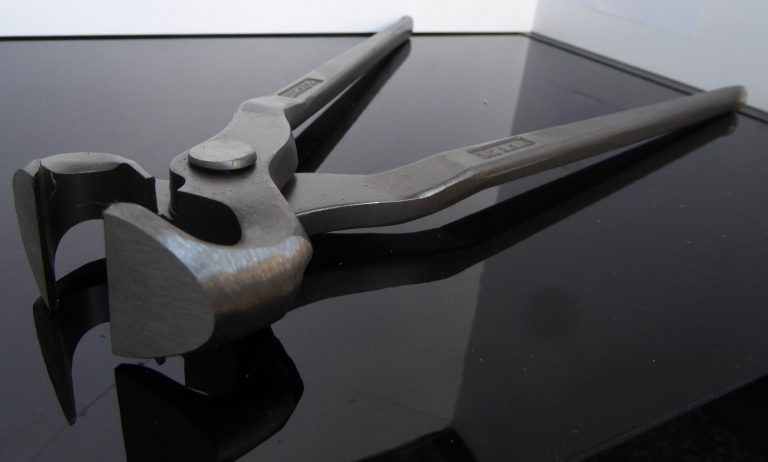
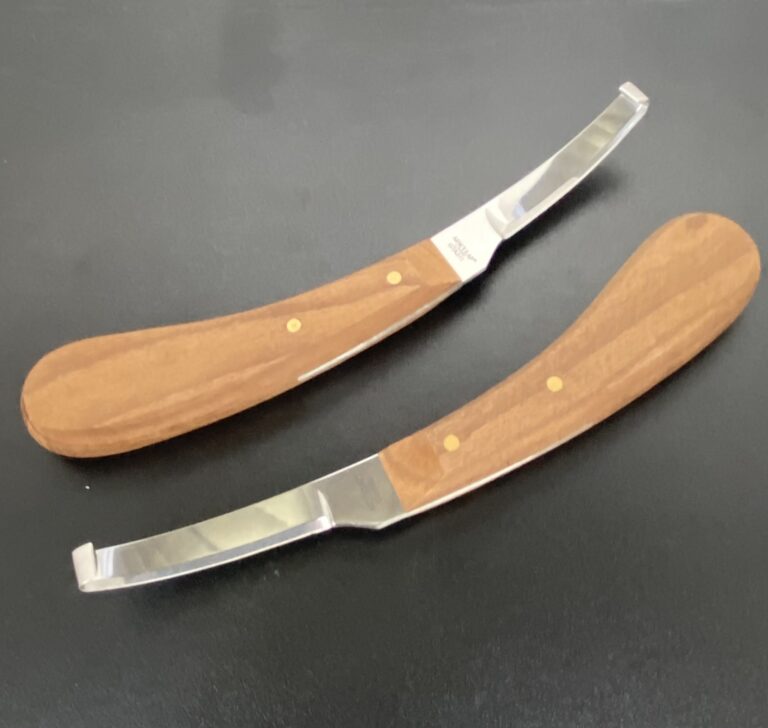
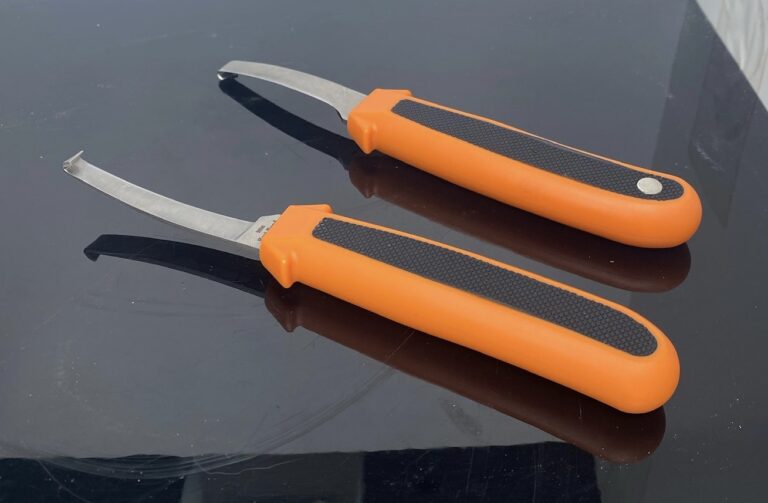
Effective trimming requires the right tools, techniques, and hygiene standards. Using sharp, well-maintained knives and hoof nippers ensures clean cuts and reduces stress on the animal. The trimming process should aim to restore the natural hoof shape, removing excess horn while preserving the sole and heel integrity.
In addition, disinfecting equipment between animals is vital to prevent spreading infectious agents. Education and training for stockmen in basic trimming skills can support herd health, but complex cases should always be handled by experienced professionals. For more detailed information, refer to our guide on “When to Call a Professional Hoof Trimmer.”
Supporting Hoof Health Through Nutrition and Environment
While trimming is crucial, addressing underlying factors such as nutrition and housing complements hoof care. Balanced diets rich in biotin, zinc, and other trace minerals strengthen hoof horn and improve resistance to disease. Ensuring clean, dry bedding and regular cleaning of walkways reduces exposure to pathogens that cause foot rot and digital dermatitis.
For those interested in the nutritional aspect of hoof health, our article “The Role of Nutrition in Hoof Health” offers valuable insights.
Conclusion
Cattle hoof trimming is a fundamental aspect of herd management that prevents and alleviates common hoof problems such as foot rot, sole ulcers, and digital dermatitis. By maintaining correct hoof shape and balance through regular trimming, farmers and stockmen can enhance animal welfare, reduce lameness, and improve productivity. Early recognition of hoof ailments combined with professional trimming interventions offers the best outcomes. For further guidance, explore our related post on “Recognising and Treating Hoof Ailments in Cattle.” Trusting experts with 30+ years of experience, like Hoofcare Supplies, ensures your cattle receive the highest standard of hoofcare.